



Hair loss can have several causes, but there are two very significant ones that rely on each other and can each affect hair loss differently. Anxiety and poor nutrition are two very significant problems in human society in general and Western society in particular, and they are the number one cause of hair loss.
Stress and Anxiety
Yes, stress and anxiety, beyond their psychological impact on us, also directly affect hair loss. Many of us work a very significant portion of our time in life, we bring our problems home with us, and there we find no rest and cannot focus on the good things, and in this cruel and endless cycle, we do not even notice that our health is deteriorating. When we are in a state of daily stress, various autoimmune diseases can develop that cause hair loss.
Poor Nutrition
Poor nutrition is usually caused by a poor mental state, but even if you are not under the anxiety guillotine, the absence of healthy nutrition can directly cause an acceleration in the rate of hair loss. When we do not consume all the vitamins, minerals, and other nutritional components, we essentially do not allow our body to function in its normal way, and since hair is part of the body, it is directly affected by this.
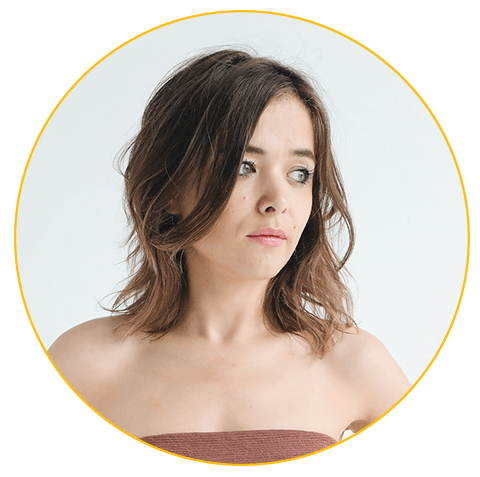
The best way to know if you have hair loss or if it is just another worry you have added to the pile is, of course, through a medical examination that will confirm it clearly. However, another independent method is by pulling a clump of hair—if more than eight hairs come out on the first pull and more than four hairs come out on the second pull of the same clump—it is very likely that this is hair loss and should be treated as soon as possible.
There are two schools of thought for treating hair loss: the natural school and the chemical school. Between nourishing oils and lemon juice to experimental medications and baldness prevention, there is a wide range of treatments, and they are all beneficial in their own way, and between us, when the situation is not good, it is worth holding on to anything offered to us.
Many doctors, yes, even those with a medical doctorate degree, often recommend prolonged treatment with compounds for application to the hair. The most well-known recommendation is applying a mixture of lemon juice, olive oil, and egg yolk to the hair and scalp—the nutritional components that usually make us think of food also help maintain strong, shiny hair and soften the scalp skin.
There are no medications that definitively stop the acceleration of hair loss. There are many studies attempting to find a cure for baldness, but currently there are only experimental medications that do not work comprehensively, and at best, they slow down hair loss but do not succeed in returning it to its normal, abundant state.
In conclusion, there are ways to deal with hair loss, and the most important approach to take is maintaining the principles of healthy and balanced nutrition and, of course, a balanced mental state.